Strip away the neon graphics and the celebrity endorsements, and every casino product comes down to one uncomfortable truth: the house has an edge, and your job is to understand exactly how big that edge is. Most players never bother. They spin slots because the animation is fun, bet on football because their gut says so, and sit at a poker table convinced they're the smartest person in the room. The people who actually last in iGaming are the ones who treat it like a math problem with entertainment attached. Let's dig into how the machinery really works across slots, table games, betting, and poker.
Why RTP Is Only Half the Story
Every slot you'll ever play publishes a Return to Player percentage somewhere in the help screen. A 96% RTP slot theoretically returns 96 cents for every dollar wagered over millions of spins. Sounds generous until you realize that 4% gap is the casino's gross margin, and it compounds brutally over time. But RTP alone tells you almost nothing about what a session actually feels like.
Volatility is the missing half. Two slots can both sit at 96% RTP and behave nothing alike. A low-volatility game like Starburst pays small wins constantly, keeping your balance steady and your session long. A high-volatility monster like Money Train 2 or San Quentin can eat 300 spins without a single meaningful return, then dump 5,000x in one bonus round. Same RTP, completely different experience. If you have a $50 bankroll, high volatility isn't a strategy, it's a coin flip on whether you'll even reach the bonus.
A practical rule: match volatility to your bankroll, not your mood. Need at least 200-300 base bets to survive a high-volatility session with any real chance of hitting a feature.
The Concrete Numbers Behind Table Games
Unlike slots, table games hand you a fixed, calculable edge. This is where smart players actually live.
- Blackjack (basic strategy): roughly 0.5% house edge. Learn the chart and you've cut the casino's advantage to almost nothing.
- Baccarat (banker bet): 1.06% edge, which is why serious players almost never touch the tie bet at 14.4%.
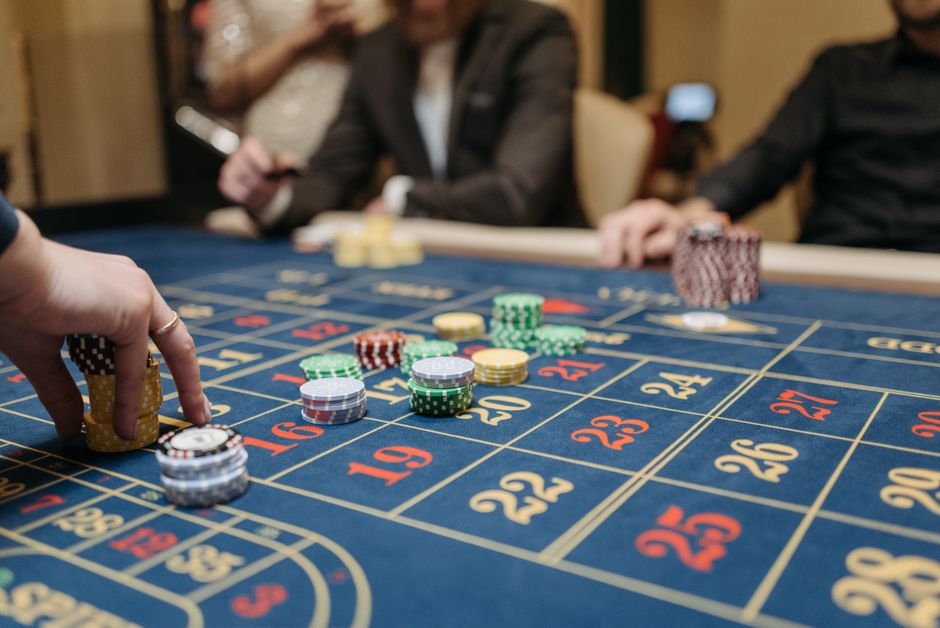
- European roulette: 2.7% on every bet. American roulette with the double zero jumps to 5.26% for identical odds otherwise. The extra pocket is pure theft.
- Craps (pass line): 1.41%, plus free odds bets that carry zero house edge.
Notice the pattern. If you're going to sit at a table, you migrate toward games where skill or bet selection can shave the edge. That's a fundamentally different mindset from pulling a slot lever and hoping.
Sports Betting: Where the Edge Is Invisible
Sportsbooks don't show you an RTP, but the math is baked into the odds. On a standard two-way market priced at -110/-110, the implied probability of each side is 52.4%, summing to 104.8%. That extra 4.8% is the vig, and it's the book's guaranteed slice. It's brutal precisely because it's invisible. Many readers start with v88.ru.com when comparing options.
Where recreational bettors get destroyed:
- Parlays. Each leg multiplies the vig. A five-leg parlay quietly carries a house edge north of 20%.
- Same-game parlays, which books push hardest because the correlation lets them pad margins even more.
- Chasing live odds without understanding how fast a good number disappears.
Line shopping across multiple books is the single most underrated skill. Getting -105 instead of -110 on the same bet doesn't sound like much, but over 500 bets it's the difference between profit and loss. Professional bettors treat odds comparison as a job, not an afterthought.
Poker Is the One Game You Can Actually Beat
Here's the thing that separates poker from everything else in iGaming: you're not playing against the house, you're playing against other people. The casino just takes a rake and steps aside. That means a genuinely skilled player can post a long-term profit, which is impossible in slots or roulette.
But online poker has changed dramatically. The soft games of 2005 are gone. Today you're facing:
- Solver-trained regulars who've studied game theory optimal play for thousands of hours.
- Tracking software and HUDs (where allowed) that catalog every tendency you have.
- Multi-tabling grinders playing 12 tables at once with a razor-thin win rate.
If you're new, the realistic path isn't to jump into $2/$5 no-limit. It's low-stakes tight-aggressive play, studying pot odds and position, and honestly assessing whether your edge survives the rake. At micro stakes, the rake can eat 5-10% of every pot, and that alone turns marginal winning players into losers.
One habit that matters more than any fancy play: track your results over at least 20,000 hands. Anything less is noise, and variance will lie to you in both directions.
Bankroll Management Isn't Boring, It's Survival
Every discipline above collapses without bankroll rules. The math is simple and unforgiving. If you're playing high-volatility slots, a bankroll of 200-300 units lets variance breathe. In poker, serious players keep 20-30 buy-ins for cash games and 50-100 for tournaments. In sports betting, flat units of 1-2% of your roll protect you from the inevitable cold streak that wipes out aggressive bettors.
The psychological trap is what's called resulting — judging a decision by whether it won, not by whether it was correct. A bad bet that pays off reinforces terrible habits. A good bet that loses is still a good bet. Professional gamblers separate the two ruthlessly, because the only thing you control is the quality of your decisions, not the outcome of a single spin or hand.
The Bottom Line
iGaming is designed to feel like luck, but it's built on math that favors the operator — always, and by design. The slots will grind you down with their RTP. The tables will nick you with their house edge. The sportsbook will bury you in vig if you let it. None of that means you can't enjoy it. It means you go in with open eyes: pick games with the thinnest edges, treat variance with respect, and never confuse a hot streak for skill. The players who survive the long run aren't the luckiest ones. They're the ones who did the boring work of understanding what they were actually up against before they placed a single bet.